What is Cerebral Palsy?
Cerebral palsy is a group of conditions that affect movement, balance, and posture. It often starts before or during birth. Children with cerebral palsy may have stiff muscles, weak muscles, or trouble with coordination. Because of this, daily tasks can be harder for them. According to the CDC, cerebral palsy is the most common motor disability in childhood. While it cannot be cured, many therapies can help children live better lives.
What is Occupational Therapy?
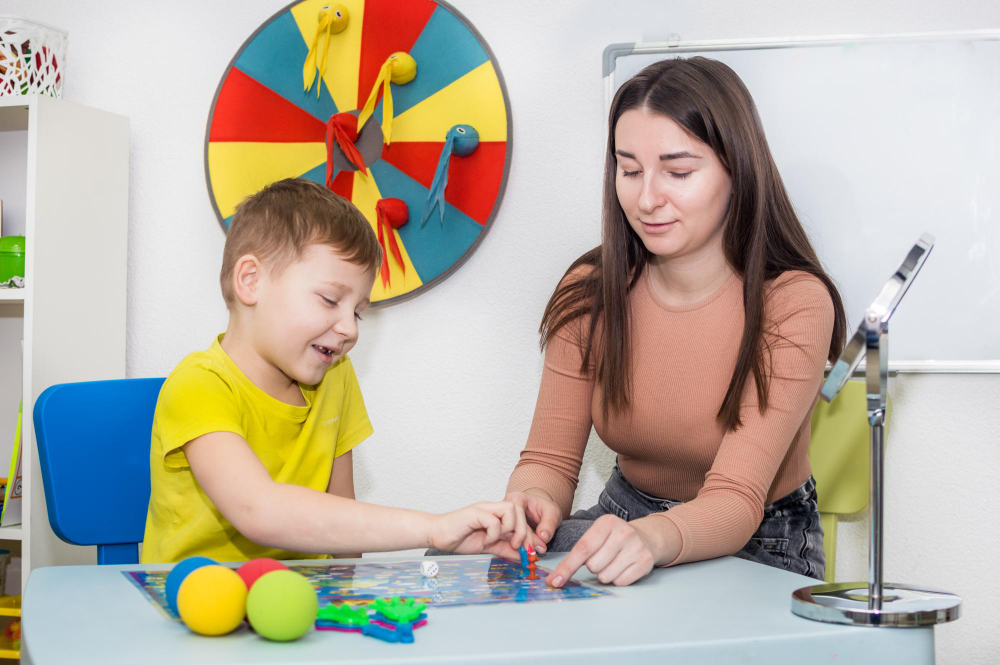
Occupational therapy, or OT, helps people do daily activities more easily. For children, this means learning skills like dressing, eating, and playing. Occupational therapy for cerebral palsy focuses on helping children become more independent. In many cases, OT uses fun activities to build important skills. As a result, children can feel more confident and take part in family and school life.
How OT Helps Children with Cerebral Palsy
Occupational therapy for child with cerebral palsy offers many benefits. First, OT helps children improve their hand and body movements. Next, therapists teach ways to do daily tasks more easily. For example, a child may learn how to hold a spoon or button a shirt. In addition, OT can help with social skills and play. Because every child is unique, therapists create a plan that fits each child’s needs. Over time, these skills can make life easier for both the child and the family.
Common OT Techniques and Approaches
Occupational therapists use many methods to help children with cerebral palsy. Some common OT techniques include:
Because each child is different, therapists choose the best mix of activities for them.
Benefits of Early Intervention
Early intervention means starting therapy as soon as possible. When children begin OT early, they often make faster progress. For instance, young brains can learn new skills more easily. Early therapy can also prevent some problems from getting worse. In addition, families learn how to support their child at home. According to the CDC, early services can improve a child’s development and quality of life.
Tips for Parents and Caregivers
Supporting a child with cerebral palsy can feel overwhelming. However, there are simple steps you can take:
Because every child is unique, what works for one may not work for another. Still, staying patient and flexible can make a big difference.
How to Find a Qualified Occupational Therapist
Finding the right occupational therapist is important. Here are some tips to help you:
Because therapy is a team effort, choose someone who communicates well and listens to your concerns.
Conclusion
Occupational therapy for cerebral palsy can help children gain important life skills. With the right support, children can become more independent and confident. If you have questions or want to start therapy, consult a qualified occupational therapist at Blessings Child Development Center for personalized guidance for your child.