
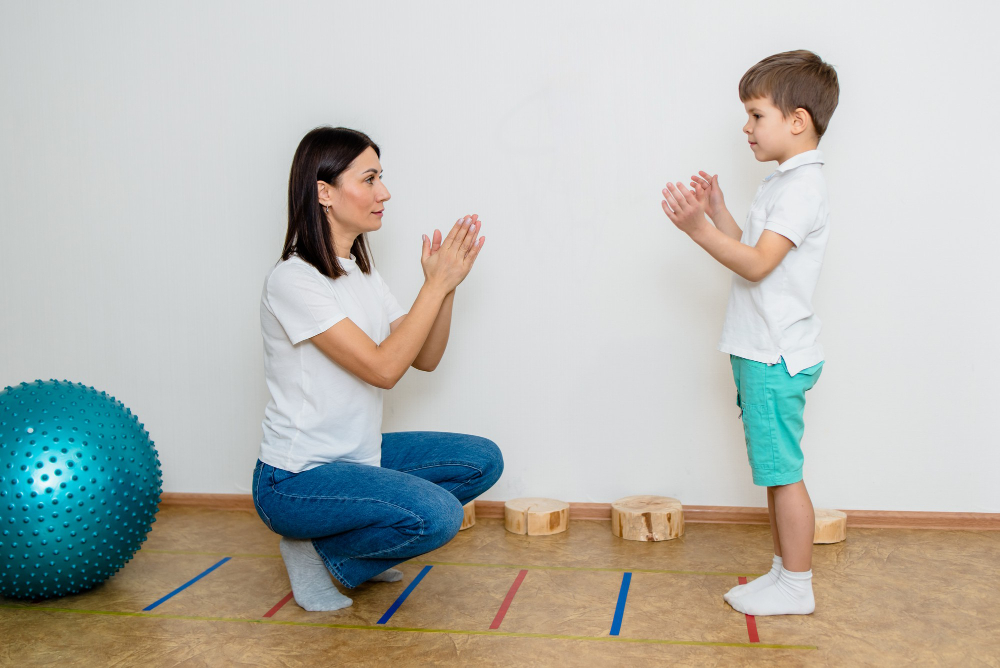
What Is Postural Control in Children?
Postural control in children means the ability to keep the body steady and balanced. It helps kids sit, stand, and move without falling. For example, when a child sits at a desk or plays on the floor, good postural control keeps them upright. This skill develops as children grow. However, some kids may need extra help to improve their postural stability.
Why Is Postural Control Important for Learning and Development?
Strong postural control supports many parts of child development and posture. For instance, it helps children focus in class, write, and play sports. Without it, kids may struggle to sit still or pay attention. As a result, learning new skills can become harder. Good posture also helps with breathing and speaking. Therefore, postural control is key for both learning and daily life.
Common Signs of Postural Control Difficulties
Some children show clear signs when they have trouble with postural control. Early recognition can help parents seek support. Look for these signs:
If you notice these signs, consider talking to a pediatric specialist.
Causes and Risk Factors
Many things can affect postural control in children. Sometimes, it is due to slow muscle development. Other times, medical conditions like cerebral palsy or developmental coordination disorder play a role. In addition, lack of physical activity can make muscles weaker. Premature birth or low birth weight may also increase risk. However, every child is different, and causes can vary.
How Postural Control Affects Learning and Daily Activities
Postural control and learning in children are closely linked. For example, kids with weak posture may struggle to focus in class. They might avoid writing or drawing because it feels hard. Also, poor balance can make sports or playground games less fun. Over time, these challenges can affect confidence and social skills. Therefore, improving postural stability supports both learning and daily life.
Diagnosis and Assessment Methods
Doctors and therapists use several ways to check postural control in children. First, they may watch how a child sits, stands, and moves. Next, they might use simple tests to check balance and muscle strength. Sometimes, they ask about a child’s daily activities at home or school. In some cases, a full physical exam or special tools may be needed. Early assessment helps guide the right support.
Evidence-Based Treatment and Intervention Strategies
There are proven ways to help children improve postural control. These include:
According to the CDC and pediatric journals, early intervention works best. Therapists create plans based on each child’s needs.
Tips for Parents to Support Postural Control at Home
Parents can help children develop better postural control with simple steps. For example:
With regular practice, children can gain strength and confidence.
Prevention and Early Intervention
Early action can prevent many postural control problems. For instance, regular check-ups help spot issues sooner. Also, encouraging movement from a young age supports healthy growth. If you notice delays, seek advice from a pediatric specialist. Early support can make a big difference in child development and posture.
Conclusion
Postural control and learning in children are closely linked. With early support and the right strategies, most children can improve. If you have concerns, consult a pediatric specialist at Blessings Child Development Center for personalized advice on postural control and learning.