
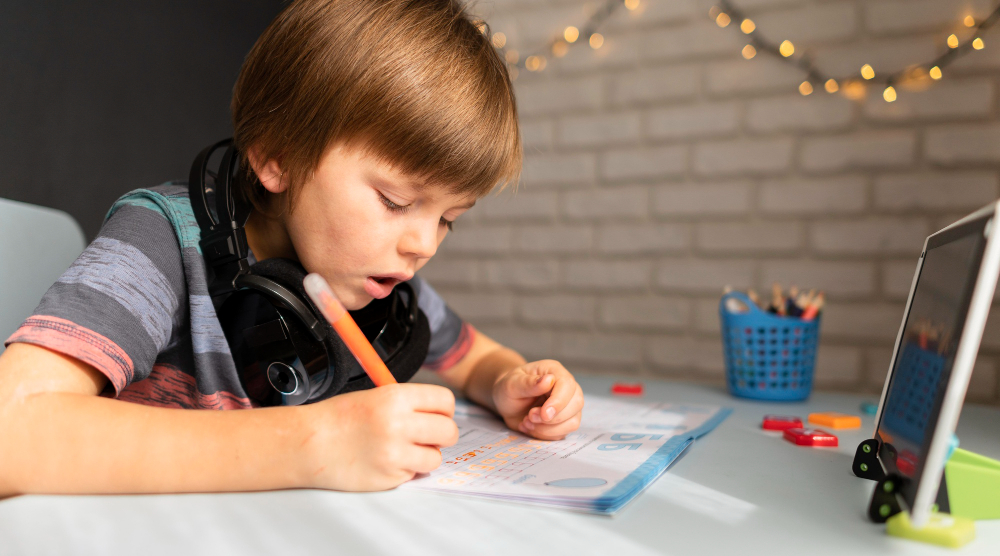
Handwriting Without Tears is a popular program that helps children write with ease. Many parents and teachers notice that kids struggle with handwriting. Often, the reason is weak fine motor skills. These small muscle movements in the hands and fingers are vital for writing. When children improve their fine motor skills, they write better and feel less frustrated in school. In this blog, we will explore why fine motor intervention is so important for academic success.
What Is “Handwriting Without Tears”?
First, let’s understand what Handwriting Without Tears means. It is a teaching method designed to make writing simple and fun for children. The program uses easy steps, clear letters, and hands-on activities. Because of this, many schools and therapists use it to help kids who find writing hard. The goal is to reduce stress and make learning to write a positive experience.
The Link Between Fine Motor Skills and Handwriting
Fine motor skills are the small movements we make with our hands and fingers. For example, holding a pencil, buttoning a shirt, or cutting with scissors all use these skills. When children have strong fine motor skills, they can hold a pencil correctly and write neatly. However, weak fine motor skills can make writing slow and tiring. As a result, children may feel upset or avoid writing tasks. According to the CDC, fine motor skill development is key for school readiness and daily life.
Signs of Fine Motor Difficulties in Children
It is important to notice signs that a child may need help. Some common signs include:
If you see these signs, your child may benefit from fine motor intervention.
How Fine Motor Intervention Reduces Academic Frustration
When children get the right support, they feel more confident. Fine motor intervention helps them build strength and control in their hands. Because of this, writing becomes easier and less stressful. Children can finish their work faster and with better results. As a result, they feel proud and want to try more. Studies in pediatric journals show that early help can prevent long-term academic frustration.
Effective Fine Motor Activities and Strategies
There are many fun ways to build fine motor skills at home or school. For example, you can try these activities:
In addition, Handwriting Without Tears offers simple exercises that make learning to write enjoyable. Try to include these activities daily for the best results.
When to Seek Professional Help
Sometimes, children need extra support. If your child continues to struggle with handwriting or daily tasks, it may be time to talk to a professional. Pediatric occupational therapists are trained to help children improve fine motor skills. They can create a plan that fits your child’s needs. Early help can make a big difference in your child’s school life.
Prevention and Support at Home and School
Parents and teachers can work together to support children. Here are some tips:
With the right support, children can build strong fine motor skills and enjoy school more.
For personalized guidance on handwriting and fine motor skills, consult a pediatric occupational therapist at Blessings Child Development Center.