
What Is Late Talking in Kids?
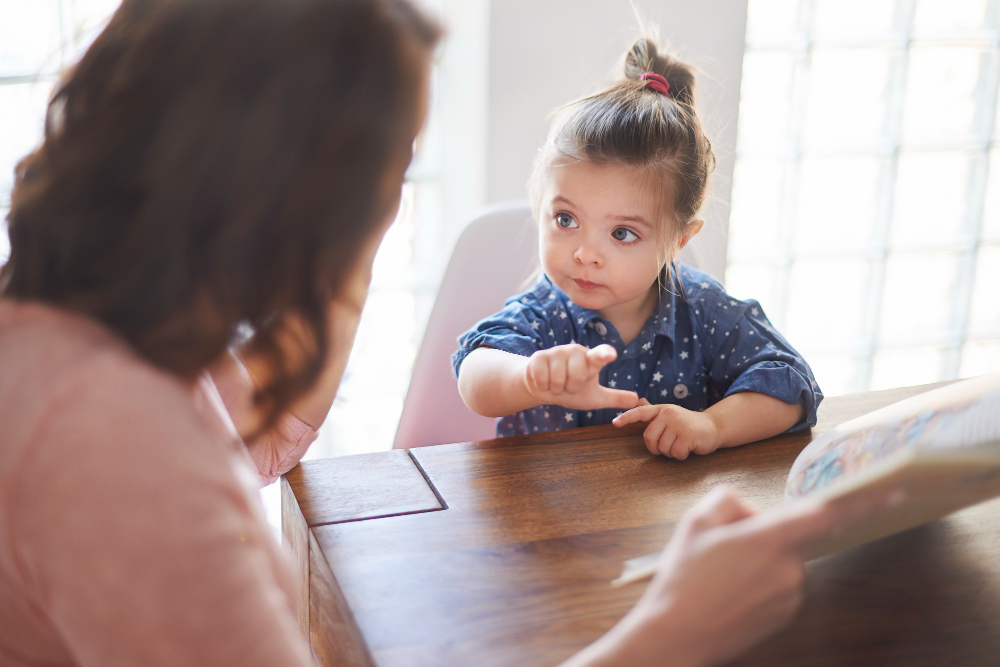
Late talking in kids means a child is not using words or sentences at the expected age. Usually, children say their first words by 12 to 15 months. By age two, most kids can put two words together. However, some children may take longer. This is called a speech delay in children. Sometimes, it is normal. Other times, it may signal a problem. Because early speech is important, parents often wonder when to worry about late talking.
Common Causes of Late Talking
Many factors can cause late talking in kids. Some are simple, while others need medical attention. For example, hearing loss can make it hard for a child to learn words. In other cases, family history plays a role. Sometimes, a child may have a developmental disorder. The CDC notes that speech delays can also be linked to:
Still, some children are just late bloomers and catch up on their own.
Signs Parents Should Watch For
It is important to notice early signs of speech delay. Early help can make a big difference. Watch for these warning signs:
Additionally, if your child loses speech skills they once had, seek help right away.
When to Seek Speech Therapy
Many parents wonder when to seek speech therapy for toddlers. If your child shows any of the warning signs above, it is wise to talk to a doctor. Early speech therapy can help children catch up. According to the American Speech-Language-Hearing Association, you should seek help if:
Even if you are unsure, it is better to ask a professional. Early action leads to better results.
Diagnosis and Evaluation Process
First, a doctor or speech therapist will check your child’s hearing. Hearing loss is a common cause of speech delay. Next, they will ask about your child’s development and family history. Then, the speech therapist will observe how your child speaks, listens, and understands. Sometimes, more tests are needed. These steps help find the cause of late talking in kids. After the evaluation, you will get a plan for next steps.
Treatment Options and Speech Therapy Approaches
Speech therapy for toddlers uses fun and simple activities. For example, therapists may use games, songs, or picture books. These help children learn new words and sounds. Some common approaches include:
Therapists also teach parents how to support speech at home. With regular sessions, many children show progress.
Tips for Supporting Your Child at Home
Parents play a key role in helping children with speech delay. Here are some tips you can try at home:
Most importantly, be patient and supportive. Progress may take time, but every effort helps.
Prevention and Early Intervention
Early intervention can prevent bigger problems later. For instance, talking, singing, and reading with your child from birth helps build language skills. If you notice any delays, act quickly. The sooner you start, the better the outcome. According to the CDC, early help can improve school success and social skills. Therefore, do not wait if you have concerns.
In summary, late talking in kids can have many causes. Early signs are important to notice. If you worry about your child’s speech, do not wait. Consult a pediatrician or speech therapist at Blessings child development center for personalized guidance.