
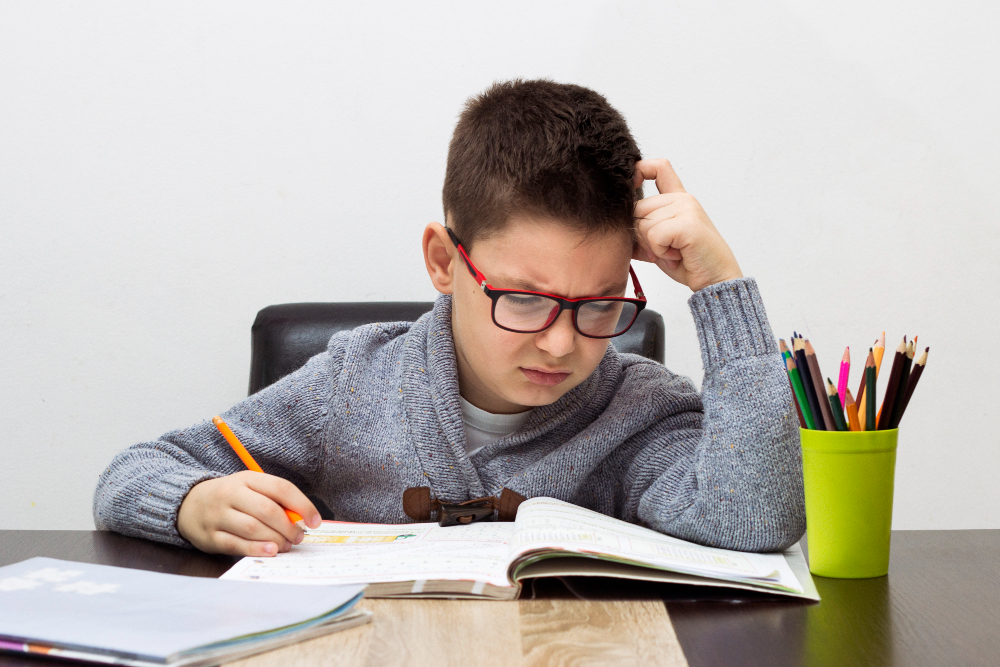
What Is Visual Perception in Children?
Visual perception in children is how the brain understands what the eyes see. It is not just about clear eyesight. Instead, it is about making sense of shapes, letters, and spaces. For many kids, visual perception helps them read, write, and learn. However, some children have visual perception problems. These issues can make reading or writing hard. Pediatric visual processing is key for school success. When visual perception does not work well, kids may fall behind in class.
Signs Your Child May Have Visual Perception Issues
Sometimes, visual perception problems in kids are easy to miss. Yet, there are signs you can watch for. Early detection helps children get the support they need. Look for these signs of visual perception issues:
But remember, every child is different. Some may show only a few signs. Others may have many.
How Visual Perception Affects Reading and Writing
Visual perception helps children recognize letters, words, and patterns. When there are problems, reading and writing can become a struggle. For example, a child may mix up similar letters like ‘b’ and ‘d.’ Or, they may lose their place while reading. Because of this, learning can feel frustrating. Over time, kids may avoid reading or writing tasks. As a result, their confidence may drop.
Causes and Risk Factors
There are several reasons why a child may have visual perception problems. Some common causes include:
However, sometimes the cause is not clear. Either way, early support can help children succeed.
Diagnosis: How Professionals Assess Visual Perception
If you suspect visual perception issues, a professional assessment is important. Usually, pediatric specialists or eye doctors use special tests. These tests check how your child sees and understands shapes, letters, and patterns. Sometimes, teachers or therapists may notice problems first. After that, they may suggest a full evaluation. Early diagnosis can lead to better outcomes for your child.
Treatment and Support Strategies
There are many ways to help children with visual perception problems. Treatment depends on your child’s needs. Common support strategies include:
With the right help, most children improve over time. But ongoing support may be needed.
Tips for Parents: Helping Your Child at Home
Parents play a big role in supporting their child. Here are some tips you can try at home:
Additionally, stay in touch with your child’s teachers and therapists. Working together helps your child succeed.
Prevention and Early Intervention
Early intervention can make a big difference. If you notice signs of visual perception issues, act quickly. Regular eye exams help catch problems early. Also, talk to your child’s doctor if you have concerns. In some areas, local clinics or schools offer screenings. The sooner you start, the better the outcome for your child.
If you notice these signs, consult a pediatric specialist at Blessings child development center for personalized guidance.