What Are Personalized Therapy Plans for Children?
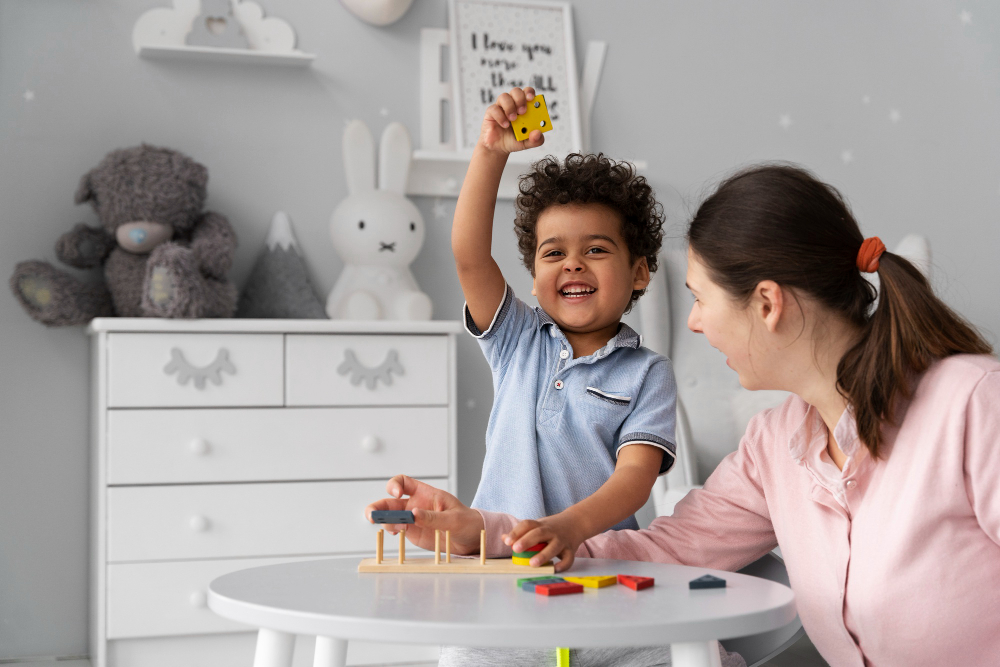
Every child is unique. Because of this, personalized therapy plans for growth and progress in children are important. These plans are special programs made just for your child. They focus on your child’s strengths and needs. For example, some children may need help with speech, movement, or learning new skills. Others may need support for social or emotional growth. With a custom pediatric therapy plan, your child gets the right help at the right time.
Why Individualized Approaches Matter in Pediatric Growth
Children grow and learn at their own pace. However, some may face challenges that slow their progress. When therapy is tailored to each child, it can address these challenges directly. According to the CDC, early and personalized support can improve a child’s development. In addition, individualized approaches help children feel understood and valued. This can boost their confidence and happiness. Most importantly, it gives them the best chance to reach their full potential.
Key Components of a Personalized Therapy Plan
A good therapy plan covers many areas. It is designed by a team of experts, often including doctors, therapists, and teachers. Here are some key parts:
How Therapy Plans Support Growth and Progress
Personalized therapy plans help children in many ways. For instance, they can improve speech, movement, and social skills. They also help children learn daily tasks, like dressing or eating. Over time, these plans build confidence and independence. According to the World Health Organization, early therapy can lead to better long-term outcomes. In short, therapy plans for children’s progress give each child the support they need to thrive.
Steps for Parents: Getting Started with Personalized Therapy
Starting a therapy plan may seem overwhelming. However, there are simple steps you can follow:
Remember, you are your child’s best advocate. With the right support, every child can make progress.
Success Stories and Real-Life Examples
Many families have seen great results from custom pediatric therapy. For example, one young boy struggled with speech delays. After starting a personalized plan, he learned new words each week. Soon, he could express his needs and feelings. In another case, a girl with trouble walking received special exercises. Over time, she gained strength and started running with her friends. These stories show that, with the right plan, children can overcome many challenges.
Tips for Ongoing Support and Encouragement
Supporting child growth is a team effort. Here are some helpful tips:
Above all, remember that every child grows in their own way and time.
Consult a paediatric specialist at Dr. Blessings Child Development Center to create a personalised therapy plan tailored to your child’s unique needs.