Every child grows and learns new things each day. From guided to independent, life skills that transform in pediatrics are key for healthy development. As children move from needing help to doing things on their own, they gain confidence and important abilities. In this blog, we will explore what life skills mean in pediatrics, why they matter, and how parents can help children become more independent. You will also find practical tips and solutions for common challenges along the way.
What Are Life Skills in Pediatrics?
Life skills in pediatrics are basic abilities children need for daily living. These skills help kids take care of themselves, solve problems, and interact with others. For example, learning to dress, eat, or brush teeth are early life skills. Over time, children also learn to make choices, manage feelings, and build friendships. According to the World Health Organization (WHO), life skills include decision-making, communication, and self-care. These skills grow as children get older and practice them daily.
Why Life Skills Matter: Benefits for Children
Life skills are important for every child’s growth. When children learn these skills, they become more independent and confident. In addition, they are better prepared for school and social life. Some key benefits include:
Moreover, children with strong life skills often have better mental and physical health. The Centers for Disease Control and Prevention (CDC) notes that early skill-building supports long-term well-being.
Key Life Skills: From Guided to Independent
Children start by learning life skills with help from adults. Over time, they practice and become more independent. Some key life skills that transform in pediatrics include:
As children grow, these skills become more complex. For instance, a toddler may learn to wash hands with help, but an older child can do it alone and remind others.
How Parents and Caregivers Can Support Development
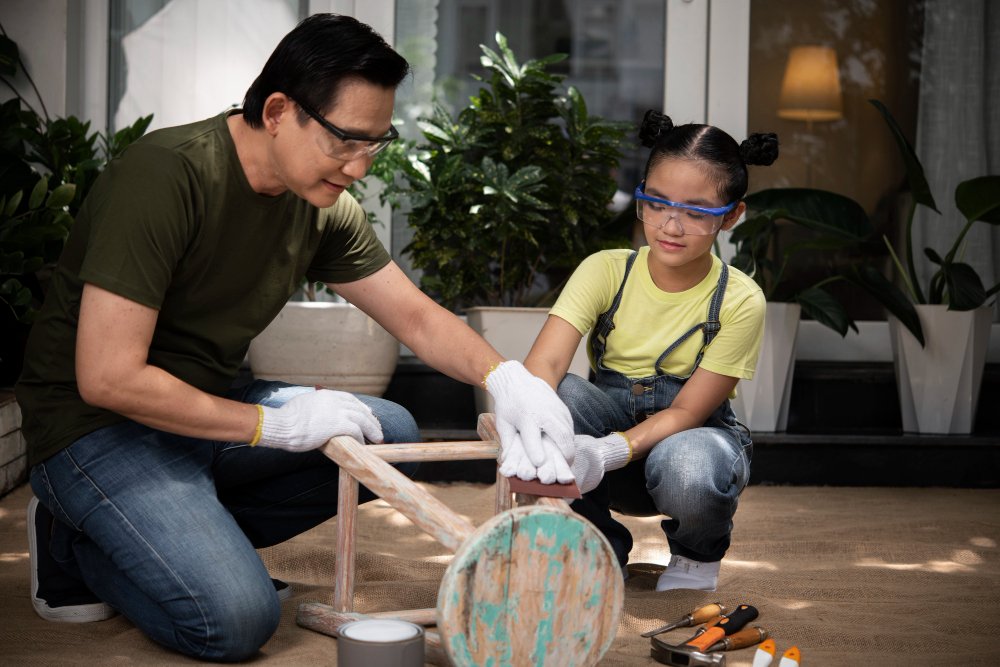
Parents and caregivers play a big role in helping children build life skills. First, they can model good habits by showing how to do things. Next, they can give children chances to try tasks on their own. It is important to offer praise and gentle guidance. For example, let your child try tying their shoes, even if it takes time. Also, set clear routines and rules, as these help children know what to expect. According to pediatric experts, positive support and patience are key for skill-building.
Practical Tips for Fostering Independence
Helping your child become independent does not have to be hard. Here are some simple tips:
With these steps, children can build confidence and learn new skills at their own pace.
Common Challenges and Solutions
Sometimes, children face challenges when learning life skills. For example, they may feel frustrated or afraid to try new things. However, there are ways to help:
Remember, every child learns at a different pace. With support, most children overcome these hurdles.
Prevention and Early Intervention
Early support can prevent bigger problems later. For instance, teaching life skills before school starts helps children adjust better. If you notice delays in your child’s development, talk to your doctor early. Early intervention programs can help children catch up and thrive. According to the CDC, acting early leads to better outcomes for children and families.
In summary, life skills that transform in pediatrics are vital for every child’s growth. With guidance, patience, and practice, children move from needing help to becoming independent. Consult a pediatric specialist at Blessings Child Development Center for personalized guidance on supporting your child’s life skills development.