
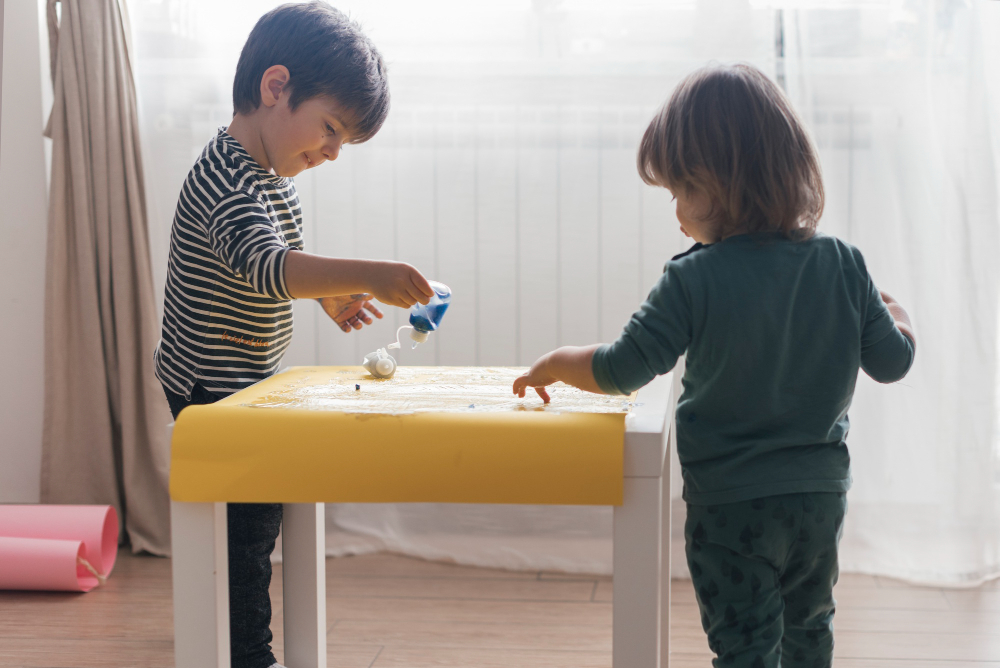
What Are Activities of Daily Living (ADLs) in Children?
Activities of Daily Living (ADLs) are basic tasks children do every day. These include getting dressed, brushing teeth, eating, and using the bathroom. For many kids, learning these skills is a big step toward independence. However, some children need extra help to master these tasks. Occupational Therapy for Building Independence in Daily Activities (ADLs) can make a big difference. It helps children gain the skills they need for daily life.
The Role of Occupational Therapy in Promoting Independence in ADLs
Occupational therapy (OT) helps children become more independent in their daily routines. Therapists work with kids to build skills for self-care, play, and school tasks. For example, an OT may teach a child how to tie shoes or use a fork. In addition, therapists support children as they learn to do things on their own. This support boosts confidence and self-esteem. According to the American Occupational Therapy Association, OT is key in helping children reach their full potential.
Common Challenges Children Face with ADLs
Many children struggle with daily activities for different reasons. Some common challenges include:
Because every child is unique, challenges can look different for each one. Early support can help children overcome these obstacles.
How OT Assessments Identify Needs
First, occupational therapists use assessments to find out what a child can do and where they need help. These assessments may include:
After the assessment, therapists create a plan that fits the child’s needs. This plan guides therapy sessions and sets clear goals for progress.
OT Strategies and Interventions for Building Independence
Occupational therapists use many strategies to help children become more independent. Some practical examples include:
Moreover, therapists often work with families to practice these skills at home. This teamwork helps children learn faster and feel more confident.
Benefits of Early Intervention
Early intervention can make a big difference in a child’s life. When children get help early, they often learn skills more quickly. As a result, they may feel less frustrated and more independent. The Centers for Disease Control and Prevention (CDC) notes that early support can improve long-term outcomes for children with developmental delays. Therefore, starting OT as soon as challenges appear is important.
Tips for Parents to Support Independence at Home
Parents play a key role in helping children build independence. Here are some tips:
With patience and support, children can gain new skills and confidence.
Prevention and Long-Term Outlook
While not all challenges can be prevented, early support can reduce long-term problems. Occupational therapy for children’s independence teaches skills that last a lifetime. Over time, children often need less help and become more self-reliant. In addition, ongoing support from parents and therapists helps children keep growing. For most kids, the outlook is positive when they get the help they need early.
Conclusion
Occupational Therapy for Building Independence in Daily Activities (ADLs) gives children the tools they need for daily life. With the right support, kids can learn to do more on their own. If you notice your child struggling with daily tasks, do not wait. Consult a pediatric occupational therapist at Blessings Child Development Center for personalized guidance on building your child’s independence in daily activities.