
Introduction
Occupational therapy for kids helps children gain skills for daily life. Many parents wonder how this therapy works and if it can help their child. In fact, occupational therapy for kids focuses on building independence, confidence, and better function. Whether your child struggles with motor skills, sensory issues, or daily tasks, this therapy can make a difference. Let’s explore what pediatric occupational therapy is, why children may need it, and how parents can support their child’s progress.
What Is Occupational Therapy for Kids?
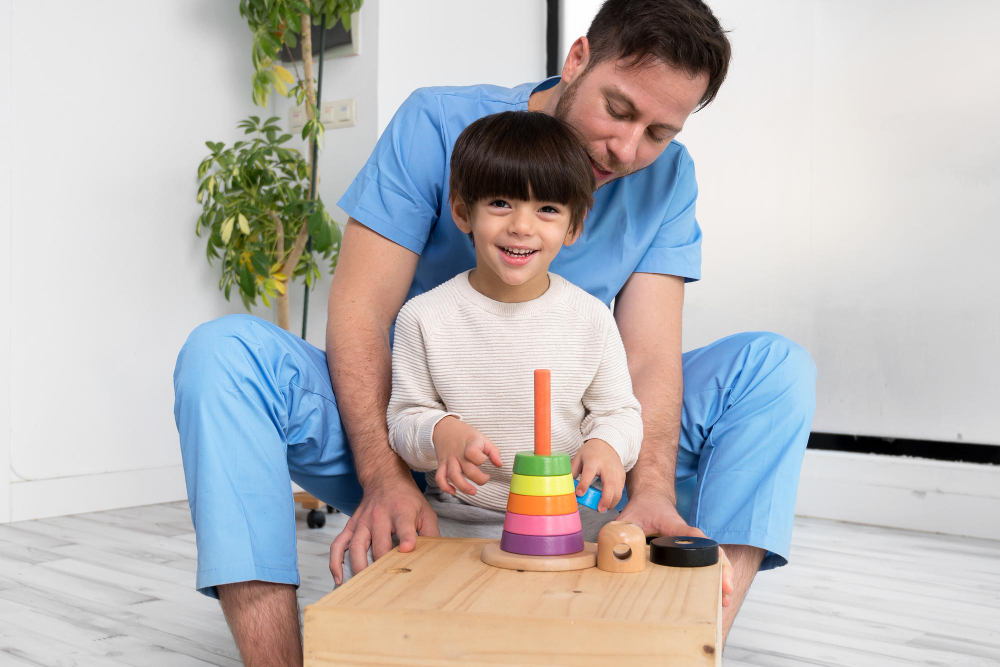
Occupational therapy for kids is a type of child development therapy. It helps children learn or improve skills needed for everyday activities. For example, therapists may help children with dressing, eating, writing, or playing. Pediatric occupational therapists use fun, age-appropriate activities to teach these skills. As a result, children can become more independent at home, school, and in the community.
Common Reasons Children Need Occupational Therapy
Children may need occupational therapy for many reasons. Sometimes, doctors or teachers notice delays or challenges. Other times, parents see their child struggling with daily tasks. Common reasons include:
Early support can help children reach their full potential. According to the CDC, early intervention is key for better outcomes.
Key Benefits of Occupational Therapy for Kids
Occupational therapy activities for children offer many benefits. For instance, therapy can help children:
Moreover, research from the American Occupational Therapy Association shows that therapy can improve both skills and quality of life for children and families.
The Occupational Therapy Process: Assessment and Treatment
The therapy process starts with an assessment. First, the therapist meets with you and your child. They observe your child’s skills and ask about daily routines. Next, they may use checklists or simple tests to find strengths and needs. After the assessment, the therapist creates a treatment plan. This plan includes goals and activities tailored to your child. Sessions often look like play, but each activity has a purpose. For example, stacking blocks can build hand strength. Therapists also teach parents activities to try at home. Progress is tracked and goals are updated as your child grows.
Tips for Parents: Supporting Your Child’s Progress
Parents play a key role in their child’s success. Here are some tips to help your child get the most from occupational therapy:
Additionally, remember that every child learns at their own pace. Patience and encouragement go a long way.
How to Find a Qualified Pediatric Occupational Therapist
Finding the right therapist is important. Here are steps to help you:
Most importantly, choose a therapist who makes your child feel comfortable and understood.
Frequently Asked Questions
Consult a pediatric occupational therapist at Blessings Child Development Center for personalized advice and support.