
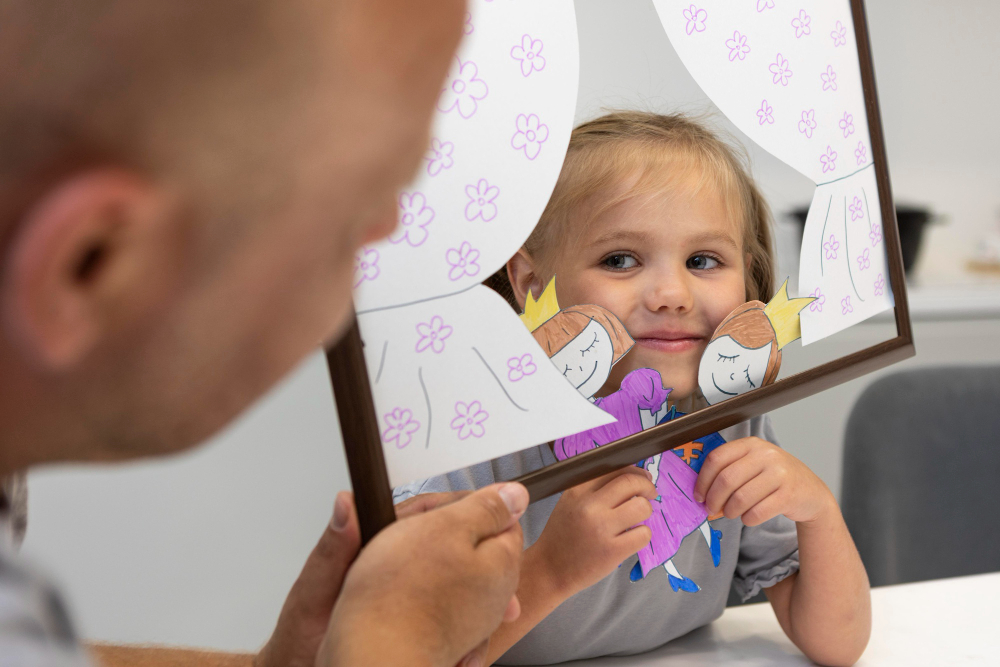
What is Sensory Processing Disorder (SPD)?
Sensory Processing Disorder (SPD) affects how a child’s brain handles information from the senses. Children with SPD may find it hard to respond to sounds, sights, touch, or movement. Because of this, daily life can feel overwhelming. OT for Sensory Processing Disorder helps children learn to manage these challenges. SPD is not a disease, but it can impact learning, play, and social skills.
Common Symptoms of SPD in Children
Children with SPD show many different signs. Some may react strongly to loud noises or bright lights. Others may not notice pain or may seek out strong hugs. Since symptoms vary, it is important to watch for patterns. Common SPD symptoms in children include:
However, not all children with these signs have SPD. If you notice several symptoms, consider talking to a specialist.
How is SPD Diagnosed?
Diagnosing SPD involves several steps. First, a health professional will ask about your child’s behavior and development. Next, they may use checklists or questionnaires. Sometimes, they will watch your child during play or daily tasks. Because SPD shares signs with other conditions, a full evaluation is important. Occupational therapists often lead this process. They use tools based on research from groups like the CDC and WHO.
The Role of Occupational Therapy (OT) in Managing SPD
Occupational therapy for sensory processing disorder focuses on helping children handle sensory input. OT for SPD in children uses fun, play-based activities. These activities help children get used to different sensations. For example, an OT may use swings, textured toys, or obstacle courses. Over time, children learn to cope with sounds, sights, and touch. As a result, they feel more comfortable at home and school.
Evidence-Based OT Interventions and Strategies
Many OT strategies for SPD are backed by research. Therapists choose activities that match each child’s needs. Some common OT interventions include:
Moreover, therapists teach parents and teachers how to use these strategies at home and school. According to recent studies, early OT support can improve daily life for children with SPD.
Tips for Supporting Children with SPD at Home and School
Parents and caregivers play a key role in helping children with SPD. Here are some helpful tips:
Additionally, praise your child for small successes. This builds confidence and trust.
Prevention and Early Intervention
Early support can make a big difference for children with SPD. If you notice signs early, talk to your doctor or an occupational therapist. Early OT for sensory processing disorder helps children learn coping skills before problems grow. While SPD cannot always be prevented, early action can reduce stress for both children and families.
Conclusion
Sensory Processing Disorder can affect many parts of a child’s life. However, with the right support, children can thrive. Occupational therapy for sensory processing disorder offers proven strategies to help children manage their senses. If you think your child may have SPD, consult a pediatric occupational therapist at Blessings Child Development Center for personalized guidance on managing Sensory Processing Disorder in your child.