
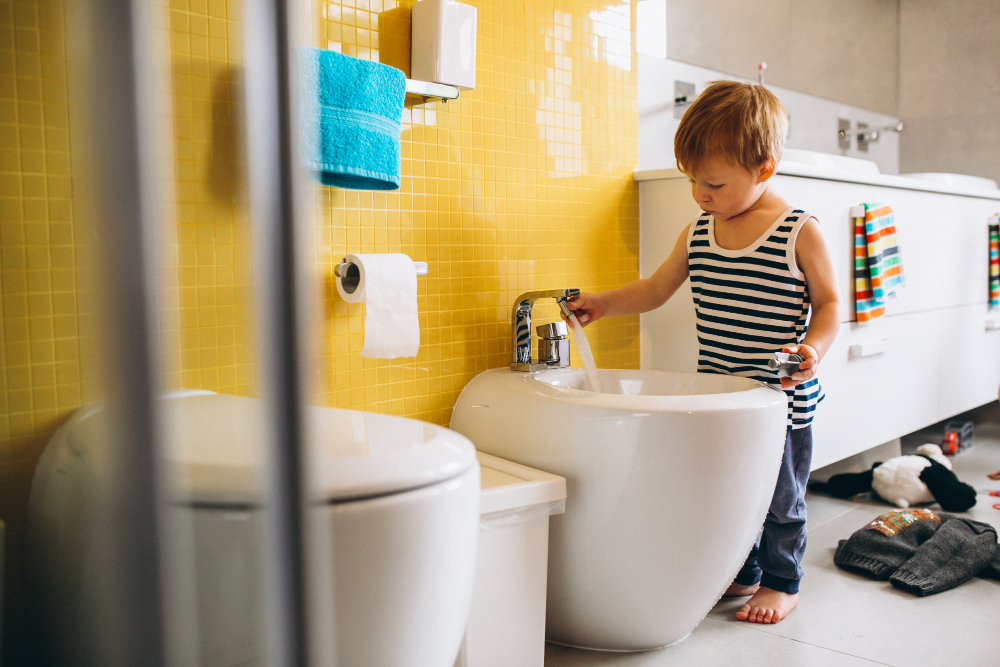
Many parents face toilet training difficulties in children. If you are struggling, you are not alone. OT for toilet training challenges can help your child build skills and confidence. Occupational therapy for toilet training uses proven methods to address common problems. In this guide, you will learn about pediatric OT tips, causes of toilet training difficulties, and when to seek help. Let’s explore how occupational therapy can support your family.
What Are Toilet Training Challenges?
Toilet training challenges are common in young children. Some children may take longer to learn. Others may have trouble with certain steps. For example, a child might fear the toilet or forget to wipe. These challenges can cause stress for both parents and children. However, with the right support, most children can succeed.
How Occupational Therapy Helps
Occupational therapy for toilet training focuses on building daily life skills. OT helps children learn routines, use their bodies, and feel confident. For instance, therapists teach children how to pull down pants, sit safely, and wash hands. They also help with sensory issues, such as fear of flushing sounds. Because every child is different, OT creates a plan just for your child’s needs.
Common Causes of Toilet Training Difficulties
Many factors can make toilet training hard. Understanding these causes can help you support your child. Some common reasons include:
Because each child is unique, it is important to look for the root cause.
Signs Your Child May Benefit from OT
Sometimes, children need extra help. You may notice signs that your child could benefit from OT for toilet training challenges. Watch for:
If you see these signs, early support can make a big difference.
OT Assessment and Diagnosis Process
First, an occupational therapist will meet with you and your child. They will ask about your child’s history and daily routines. Next, they may observe your child in the bathroom. The therapist will check skills like balance, hand strength, and following steps. After the assessment, you will get a plan tailored to your child’s needs. This process helps find the best ways to support your child.
Evidence-Based OT Strategies for Toilet Training
Occupational therapists use proven methods to help children succeed. Some evidence-based OT strategies include:
Because every child learns differently, therapists adjust strategies as needed. According to the CDC and peer-reviewed studies, these methods improve success rates.
Home Tips and Lifestyle Guidance for Parents
Parents play a key role in toilet training. Here are some helpful tips you can try at home:
With support and patience, your child can make steady progress.
Prevention and Early Intervention
Early support can prevent bigger problems later. If you notice early signs of toilet training difficulties, act quickly. For example, start with simple routines and praise effort. If your child has special needs, talk to your doctor or therapist early. Prevention and early intervention can lead to better outcomes for your child.
When to Consult a Pediatric Occupational Therapist
Sometimes, home strategies are not enough. If your child continues to struggle, it may be time To seek help, consider consulting a pediatric occupational therapist if:
Early help can make a big difference in your child’s confidence and skills.
Consult a pediatric occupational therapist at Blessings Child Development Center for personalized support with toilet training challenges.