What is Dyslexia?
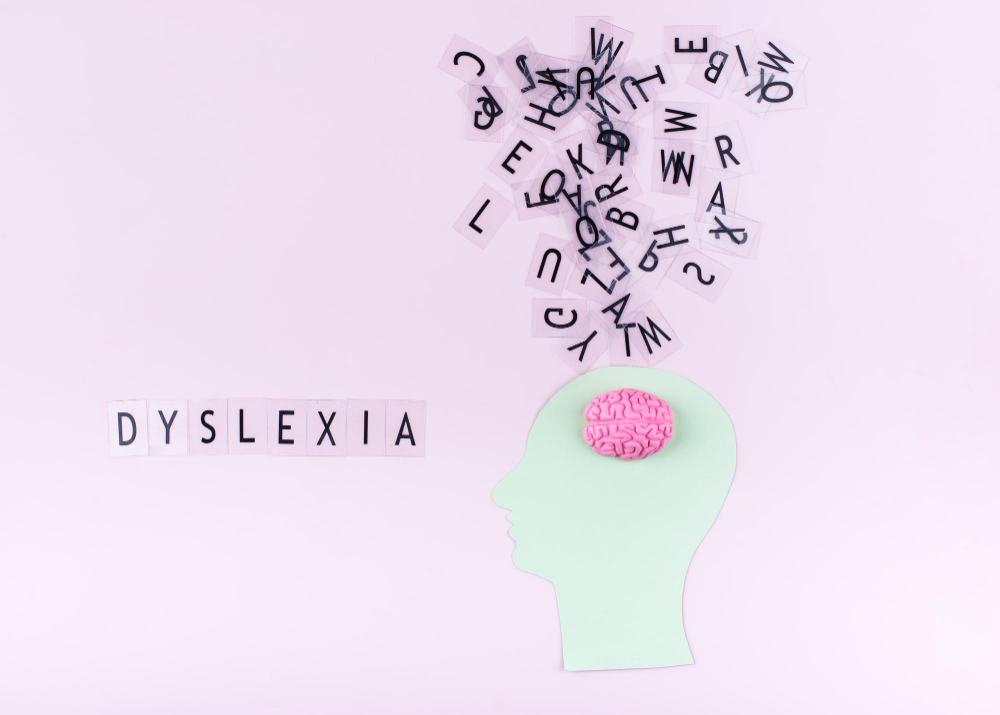
Learning disabilities (dyslexia) in children are common and can affect how kids read, write, and spell. Dyslexia is a brain-based condition. It makes it hard for children to match letters with sounds. As a result, reading and writing become challenging. However, intelligence is not affected. Children with dyslexia are just as smart as others. Early support can help them succeed in school and life.
Common Symptoms of Dyslexia in Children
Recognizing dyslexia symptoms in kids early is important. While every child is different, some signs often appear. For example, children may:
Sometimes, these signs show up when children start school. But, in some cases, symptoms may appear earlier or later.
Causes and Risk Factors
Dyslexia is not caused by poor teaching or lack of effort. Instead, it is linked to how the brain processes language. Several factors can increase the risk, such as:
Still, the exact cause is not always clear. But, knowing the risk factors can help with early detection.
How Dyslexia is Diagnosed
Early dyslexia diagnosis is key for better outcomes. Usually, a team of experts evaluates the child. This team may include teachers, psychologists, and doctors. They use reading tests, check language skills, and review the child’s school history. In addition, they may ask about family history. Sometimes, hearing and vision tests are done to rule out other problems. The process is thorough, but it helps find the best support for each child.
Effective Treatment and Support Strategies
There is no cure for dyslexia, but many dyslexia treatment options can help. With the right support, children can thrive. Some helpful strategies include:
Moreover, teachers and parents can work together to create a supportive learning environment.
Tips for Parents and Caregivers
Supporting children with dyslexia at home is important. Here are some tips for parents and caregivers:
Above all, remember that your support makes a big difference.
Prevention and Early Intervention
While dyslexia cannot always be prevented, early intervention helps. For instance, noticing signs early allows for quick support. Preschool programs that focus on language and reading skills can help. Also, regular check-ups with your child’s doctor may spot concerns sooner. The earlier children get help, the better their chances for success.
Conclusion
Dyslexia may make reading and learning more challenging, but it does not define a child’s intelligence, potential, or future. Recognizing the signs early and providing the right educational and developmental support can help children learn with greater confidence and reach their full potential. If you notice persistent difficulties with reading, writing, or learning, professional evaluation can help identify the right path forward.
At Blessings Child Development Center, your child can receive personalized developmental guidance and support tailored to their unique learning needs. Consult the specialists today and take the first step toward confident learning.